
About
About Tundergarth Kirks Trust
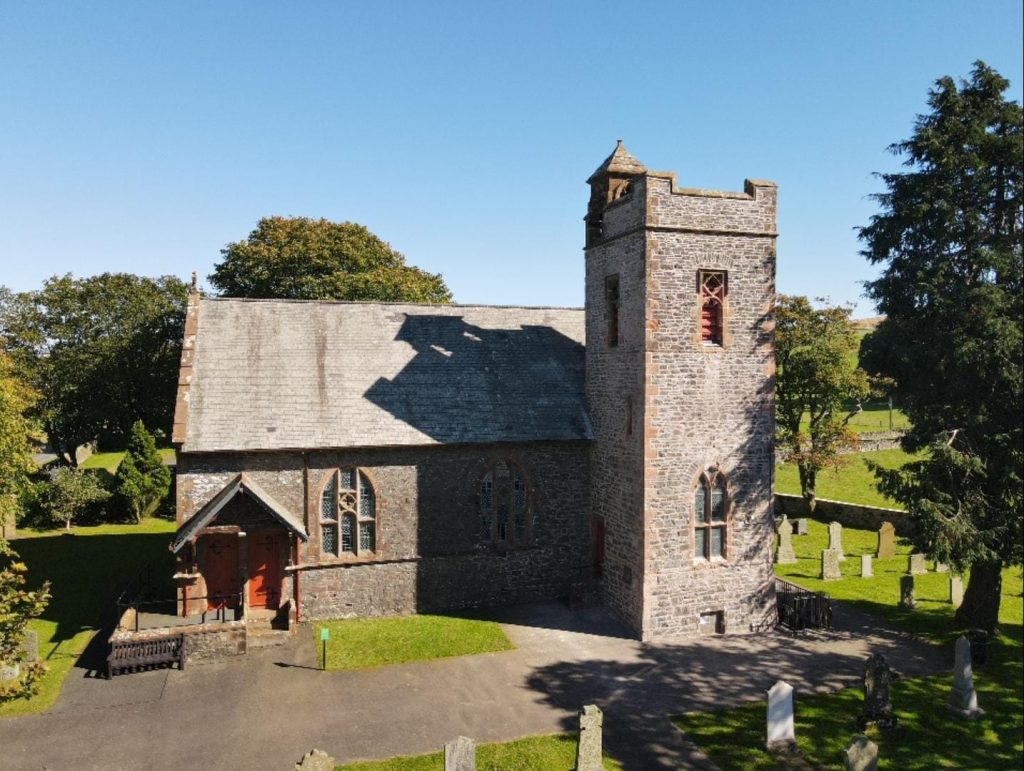
Tundergarth Kirks Trust is a registered SCIO (SCO49899), which was established in January 2020 after a group of parishioners took action to secure the future of their Grade B listed church, which was one of many across Scotland being earmarked for sale. We are custodians of this special historic and cherished site and work hard to ensure the buildings are maintained and preserved for generations to come.
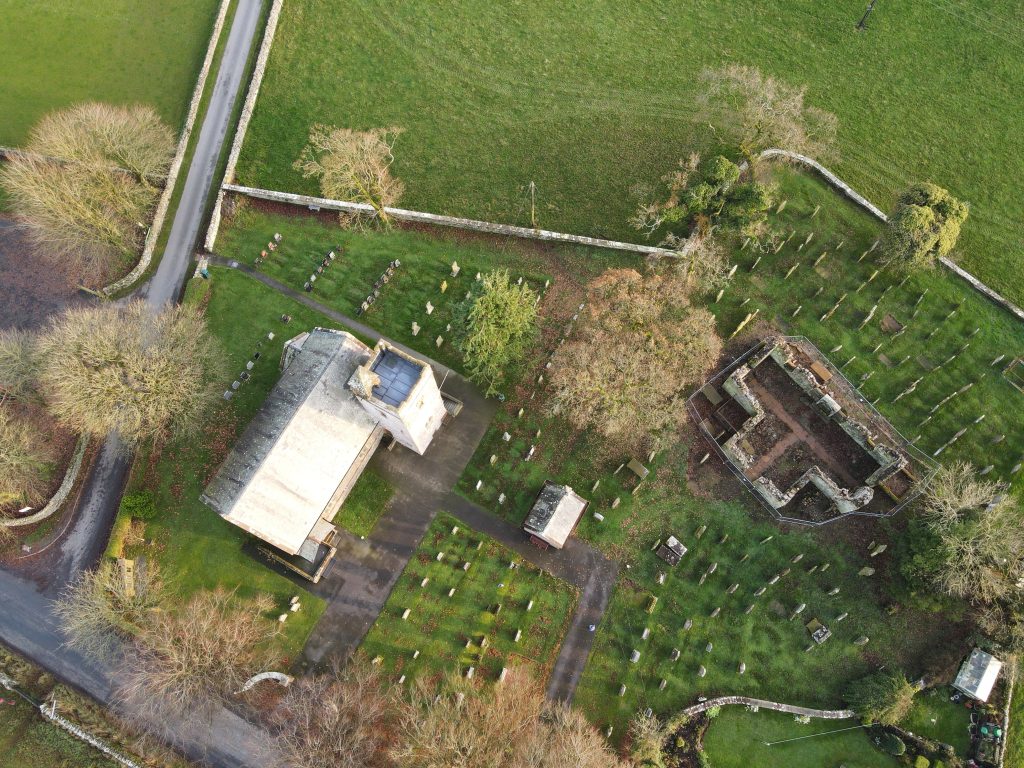
As a Trust, we took ownership of the Remembrance Room and Kirk Ruins in September 2024, after completing a Community Asset Transfer from Dumfries and Galloway Council. We are developing plans to create an Educational and Heritage Museum within the walls of the Old Kirk Ruins.
The Museum will be a place where visitors can learn about the rich heritage of the site as a whole, as well as learn about the bombing of Pan Am Flight 103 on December 21st 1988, and why the parish of Tundergarth was heavily affected by the attack.
When Pan Am Flight 103 was blown up over Lockerbie, all 259 passengers and crew onboard were killed, as well as 11 residents on the ground in Lockerbie. There were 106 bodies found in the fields surrounding Tundergarth Parish- it was the highest concentration of bodies recovered from any of the search sectors and accounted for almost half of the 270 victims. The victims were from 21 different countries, and aged from 2 months old to 82 years old.
The nose cone of the Boeing 747 “Clipper Maid of the Seas” crashed into the field adjacent to our church. The nose cone was one of the largest sections of the plane remaining and the footage which featured on worldwide news coverage, became the abiding images of the bombing.
As well as the human remains, the land surrounding Tundergarth was scattered with thousands of pieces of debris from the plane. Tundergarth marked the beginning of the southern wreckage trail and was significant enough to be a lettered search area (Sector D).
Tundergarth Parish Church was used as a staging post for the recovery operation, where first responders were able to take shelter from the harsh wintry conditions in the searchfields. Scottish police and the Air Accident Investigations Branch (AAIB) maintained a constant presence at Tundergarth in the aftermath of the bombing.
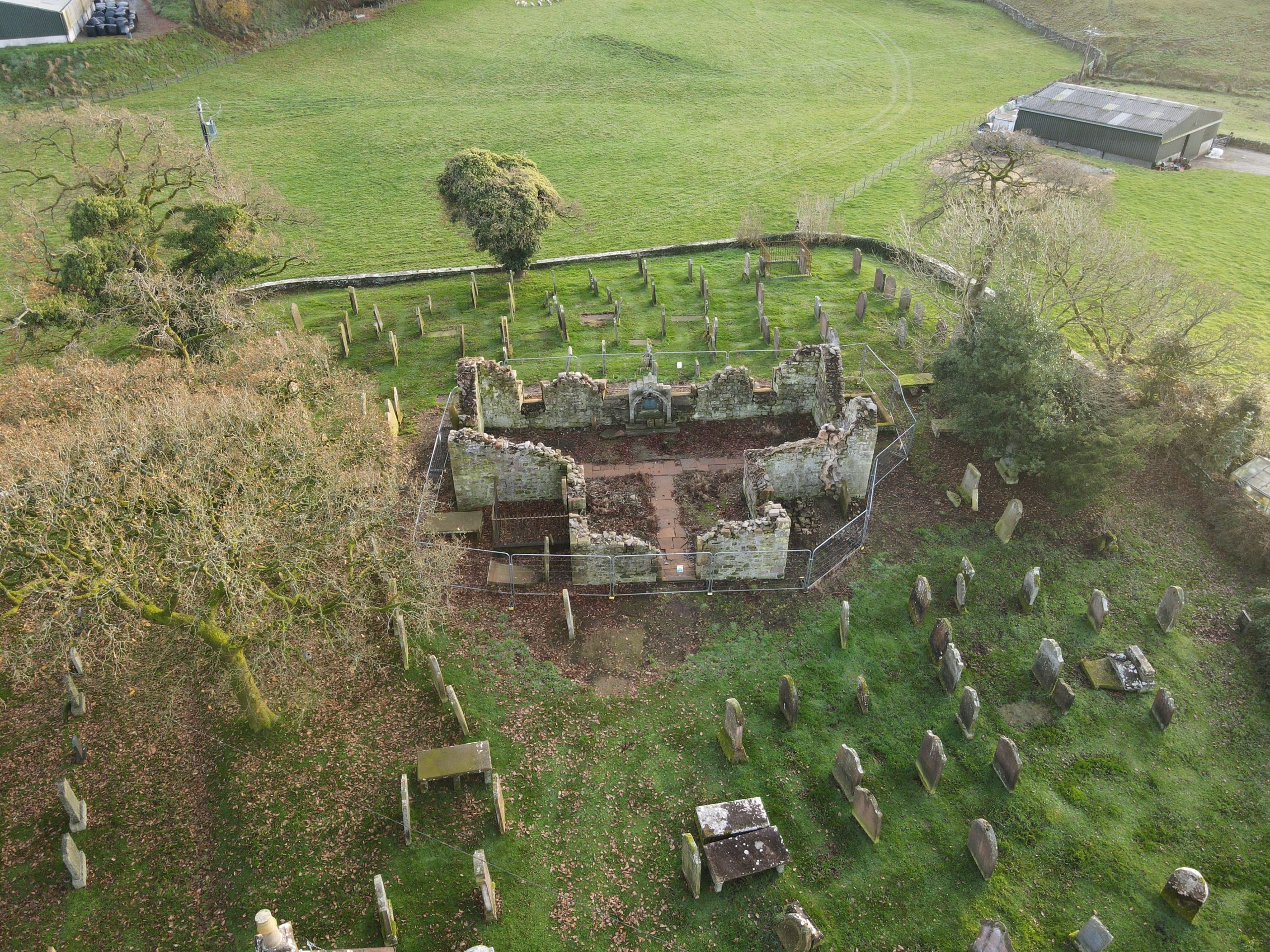
Three of the victims of the 1988 bombing are buried within the graveyard itself, and the site is considered a place of pilgrimage for those who wish to remember those who perished in the attack.
As a Trust, we are the custodians of this special place of remembrance, and will continue to work hard to ensure it remains open and cherished for many generations to come.